Bavaria · Main Course
Sauerbraten
Germany's celebrated pot roast — beef marinated for days in a tangy bath of red wine, vinegar, and warming spices, then slow-braised to tender perfection. A Sunday tradition across generations of German families.
Authentic German Cuisine
From the smoky kitchens of Bavaria to the coastal kitchens of Hamburg — discover centuries of culinary heritage through recipes passed down through generations.
Our Philosophy
German cuisine is one of Europe's most misunderstood culinary traditions. Far beyond sausages and sauerkraut, it is a deeply regional, season-driven tapestry of flavours shaped by landscape, history, and family pride.
At Zinvyra, we document, celebrate, and teach the full spectrum of German cooking — from the slow-braised Sunday roasts of Thuringia to the delicate pastries of Saxony's coffee house culture, and the hearty potato dumplings of the Rhineland.
Every recipe we share comes with its cultural context, regional variations, and the stories of the families who have kept these traditions alive for centuries.
Featured Dishes
Bavaria · Main Course
Germany's celebrated pot roast — beef marinated for days in a tangy bath of red wine, vinegar, and warming spices, then slow-braised to tender perfection. A Sunday tradition across generations of German families.
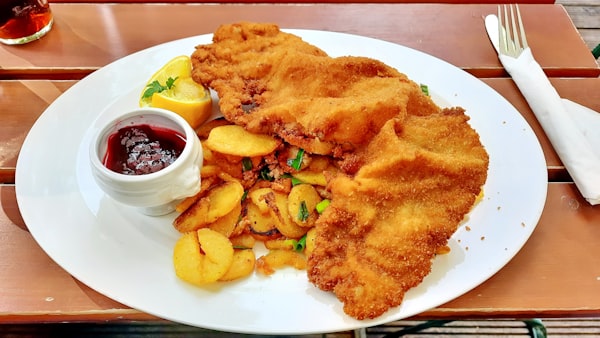
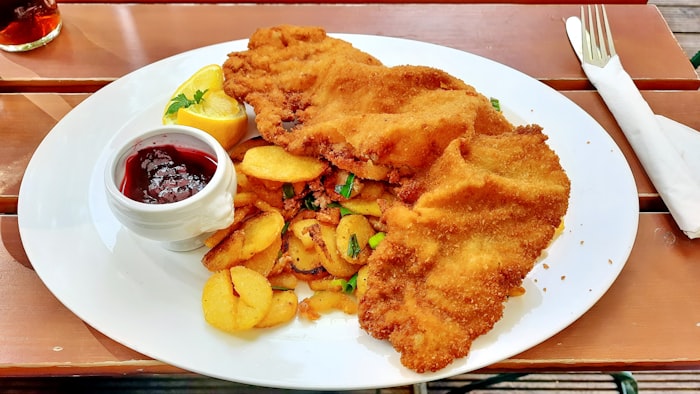
Austria-Germany Border · Main
Paper-thin veal pounded and fried in clarified butter to a perfect golden crisp. Simple, iconic, unforgettable.
Black Forest · Dessert
Layered chocolate sponge, whipped cream, and Morello cherries soaked in Kirschwasser. Germany's most beloved cake.
Bavaria · Bread & Snack
Chewy lye-dipped pretzels with a deep mahogany crust and a sprinkle of coarse salt — the soul of every Bavarian beer garden.
Rhineland · Main Course
Thin beef slices rolled around bacon, mustard, onion, and pickles, then braised in a rich dark sauce. A cherished Sunday roast from the Rhine Valley.
Explore Germany
Germany's culinary identity is fiercely regional. Each of its 16 federal states has its own distinct specialties, ingredients, and cooking styles shaped by centuries of local culture.
Home of Weißwurst, Hendl, Obatzda, and the world-famous Oktoberfest feast. Rich, hearty, and proud.
Dark cherry cakes, venison stews, and Kirschwasser-laced desserts from Germany's most romantic woodland.
Labskaus, smoked fish, Matjes herring, and the fresh coastal flavours of the North Sea and Baltic.
Rouladen, Himmel un Ääd, Reibekuchen, and wine-country cuisine from Germany's most celebrated river valley.
Currywurst, Pfannkuchen, Eisbein, and the bold street food culture of Germany's vibrant capital.
Thuringian Bratwurst, Dresdner Stollen, and the celebrated pastry tradition of Saxony's coffee houses.
Maultaschen, Spätzle, Linsensuppe — thrifty, inventive, and deeply satisfying cooking from the Swabian Alps.
Pumpernickel, Westphalian ham, and ancient pork preparations from the smokehouses of the Teutoburg Forest.
By the Calendar
Traditional German cooking is profoundly seasonal. What you eat is dictated by what the land provides — from spring's white asparagus to winter's warming stews.
Germany's beloved asparagus season (April–June) is celebrated with near-religious devotion. White asparagus reigns supreme, served with hollandaise, ham, and new potatoes.
German summers bring beer garden feasts, grilled Bratwurst, cold potato salads, and the first harvest of tomatoes, cucumbers, and fresh herbs from kitchen gardens.
Autumn means mushrooms from the forest, new wine (Federweißer), game meats, and the warm spices of Oktoberfest — Germany's most festive culinary season.
German winters are for Advent baking, Glühwein, hearty soups, and the rich celebration foods of Weihnachten — Christmas. The most atmospheric season in German cooking.
Mastering the Craft
Understanding these fundamental methods will unlock the full depth of German cooking.
The art of fermenting cabbage into Sauerkraut, pickling cucumbers, and making fruit preserves. A cornerstone of German pantry tradition dating back centuries.
Low, slow cooking in liquid is how Germany transforms tough cuts — beef, pork shoulder, venison — into fork-tender, deeply flavoured Sunday roasts.
Germany has an unparalleled tradition of smoking meats, fish, and sausages. Westphalian ham and smoked Speck are its greatest achievements.
Germany boasts over 3,200 registered bread varieties. Mastering sourdough starters, rye hydration, and crust scoring is a lifelong rewarding pursuit.
Pro Tip: The secret to authentic German flavour is patience. Whether fermenting sauerkraut for two weeks or marinating Sauerbraten for three days — time is the most important ingredient.
Rye, spelt, sourdough starters, and over 3,200 regional bread varieties
1,500+ sausage varieties, cold-smoked hams, and game from German forests
Potatoes, turnips, celeriac, and the legendary white asparagus of spring
Beer, Riesling wines, Kirschwasser, and aged apple cider from the Rhineland
What Readers Say
Zinvyra's Sauerbraten recipe is absolutely perfect. The three-day marinade really makes a difference — my family said it tasted exactly like my grandmother used to make in Cologne.
The regional breakdown is what sets Zinvyra apart. I never knew there was such a difference between Bavarian and Swabian cooking. Now I can recreate dishes from my travels across Germany.
As a professional chef, I'm impressed by the historical accuracy and depth of Zinvyra's content. The technique guides are particularly exceptional — genuinely professional-grade information.
Common Questions
Yes. Every recipe on Zinvyra is researched from primary sources — historical cookbooks, regional food organizations, and interviews with German family cooks and professional chefs. We also document regional variations so you understand the full picture of each dish.
While traditional German cooking is heavily meat-centric, we also document Germany's substantial vegetarian heritage — from Maultaschen to Kartoffelsuppe, Reibekuchen, and many regional vegetable dishes. All recipes are tagged with dietary information including gluten-free, dairy-free, and vegetarian options where applicable.
Each recipe on Zinvyra includes an "Ingredient Sourcing" section with substitution guidance. We also maintain a directory of German delicatessens and online importers by country. Many specialist ingredients like Kirschwasser, Speck, or specific rye flours are available internationally through our partner importers.
Yes — all recipes, regional guides, technique articles, and seasonal content on Zinvyra are completely free. We sustain the site through optional community memberships and partnerships with curated kitchen suppliers. No paywalls, no hidden content.
We publish 3–5 new recipes each week, timed to Germany's seasonal calendar. Subscribe to our newsletter to receive new recipes directly in your inbox, along with seasonal guides and culinary stories from across Germany.